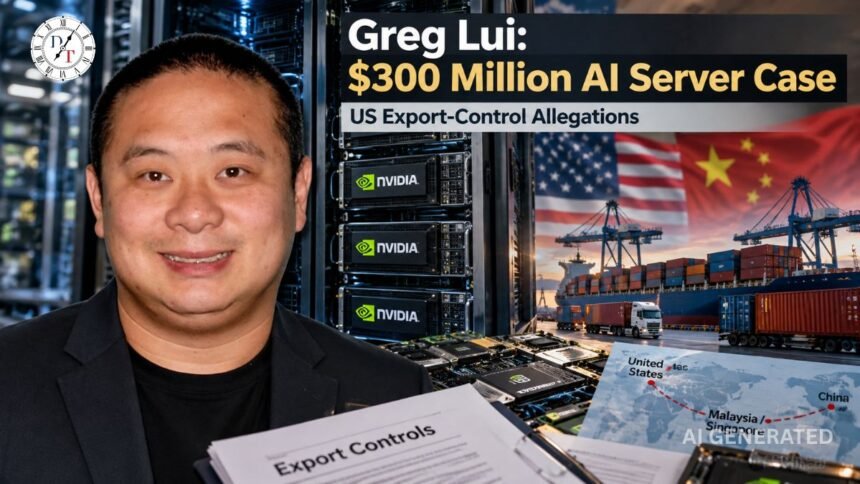
नई दिल्ली: अमेरिका में एक California-based technology company के owner और CEO Greg Lui को चीन को कथित तौर पर $300 million से ज्यादा के export-controlled AI servers भेजने के आरोप में गिरफ्तार किया गया है।
अमेरिकी prosecutors का आरोप है कि Lui और उनके सह-आरोपियों ने US export restrictions से बचने के लिए servers को पहले Malaysia और Singapore भेजा और वहां से उन्हें China re-export किया।
Lui, जिन्हें Yiu Kong Lui के नाम से भी जाना जाता है, California के San Gabriel निवासी हैं और Earthmade Computer Inc. के owner हैं।
अमेरिकी Justice Department के मुताबिक उन्हें तीन federal charges का सामना करना पड़ रहा है—export-control laws को तोड़ने की conspiracy, outbound smuggling और money laundering की conspiracy।

हालांकि, यह ध्यान रखना जरूरी है कि ये prosecutors के आरोप हैं। अदालत में दोष सिद्ध होने तक Lui को आरोपी माना जाता है, दोषी नहीं।
Greg Lui कौन हैं?
Greg Lui, 38, California में स्थित technology company Earthmade Computer Inc. चलाते हैं। कंपनी high-end computer hardware और servers के कारोबार से जुड़ी है।
अमेरिकी prosecutors के अनुसार Lui ने 2023 से 2024 के बीच Earthmade का इस्तेमाल restricted computer servers खरीदने और उन्हें China तक पहुंचाने के कथित नेटवर्क में किया।
उपलब्ध रिपोर्टों में उनके निजी background के बारे में सीमित जानकारी है। South China Morning Post के मुताबिक technology business में आने से पहले वह restaurant business में थे।
उनकी कंपनी California के City of Industry क्षेत्र में स्थित बताई गई है।
उन पर क्या आरोप हैं?
US prosecutors का आरोप है कि Lui ने ऐसे computer servers की खरीद और shipment arrange की जिनमें US-manufactured Nvidia GPUs लगे थे।
इनमें खास तौर पर:
- Nvidia A100
- Nvidia H100
जैसे high-performance AI chips शामिल थे।
अमेरिका ने China को कुछ advanced computing technologies के export पर restrictions लगा रखी हैं। ऐसे products को China भेजने के लिए आवश्यक export licences की जरूरत होती है।
Prosecutors का कहना है कि Lui ने कथित तौर पर इस licensing requirement से बचने के लिए shipments के वास्तविक final destination को छिपाया।
$300 Million का आंकड़ा कहां से आया?
अमेरिकी indictment के मुताबिक Lui और उनके co-conspirators ने करीब $300 million के export-controlled Nvidia server sales को Malaysia-based transshipment companies के जरिए facilitate किया।
अभियोजन पक्ष के अनुसार Earthmade को January से October 2024 के बीच दो Malaysia-based shipping companies से $176 million से ज्यादा मिले।
यानी $300 million का आंकड़ा जरूरी नहीं कि Lui के व्यक्तिगत profit या उनके bank account में जमा रकम को दर्शाता हो। यह कथित रूप से उस export-controlled hardware के कुल transaction/sales value से संबंधित है।
यह distinction खबर में बनाए रखना महत्वपूर्ण है।
China तक servers कैसे पहुंचाए गए?
Prosecutors के मुताबिक कथित तरीका relatively straightforward लेकिन documents के स्तर पर sophisticated था।
पहले restricted servers को US से ऐसे countries के लिए export किया जाता था जहां उस particular hardware के लिए China जैसा licensing restriction लागू नहीं था।
मुख्य transit locations:
United States → Malaysia/Singapore → China
बताए गए हैं।
अभियोजन पक्ष का आरोप है कि paperwork में final destination और intended end-user को गलत तरीके से दिखाया गया, जबकि servers का वास्तविक अंतिम destination China था।
इसी alleged misrepresentation को US authorities export-control evasion का हिस्सा मान रही हैं।
27 Nvidia H100 Servers का मामला क्या है?
Indictment में एक specific shipment का उदाहरण भी दिया गया है।
January 2024 में Lui ने कथित तौर पर 27 Nvidia H100 servers का order दिया, जिनकी कुल कीमत करीब $7.6 million थी।
Documents के मुताबिक ये servers Los Angeles County से Malaysia की राजधानी Kuala Lumpur भेजे गए।
लेकिन prosecutors का आरोप है कि बाद में एक Malaysian co-conspirator ने Malaysian government official को बताया कि ये servers China के buyer को भेज दिए गए थे।
यह alleged transaction prosecutors के उस broader claim का उदाहरण है कि Malaysia को वास्तविक final destination छिपाने के लिए transit point के रूप में इस्तेमाल किया गया।
92 Servers वाली Shipment भी जांच में
एक अन्य मामले में करीब 92 export-controlled servers को June 2024 में San Francisco International Airport से Kuala Lumpur भेजे जाने का आरोप है।
इसके बाद prosecutors के अनुसार वे servers Hong Kong पहुंचे।
ऐसे shipments को अमेरिकी authorities इसलिए महत्वपूर्ण मान रही हैं क्योंकि इससे कथित तौर पर यह pattern सामने आता है कि hardware का paperwork एक destination दिखाता था जबकि ultimate buyer कहीं और था।
China में कौन खरीद रहा था?
South China Morning Post की रिपोर्ट के अनुसार indictment में Chinese purchaser को Hangzhou-based industrial company बताया गया है।
Hangzhou China का एक बड़ा technology और business hub है।
US prosecutors का आरोप है कि restricted AI hardware ultimately Chinese buyers तक पहुंचा, जबकि export documents में ऐसे destinations और end-users दिखाए गए जिनके लिए US export licence की जरूरत नहीं थी।
Nvidia A100 और H100 इतने महत्वपूर्ण क्यों हैं?
A100 और H100 Nvidia के high-performance data-center GPUs हैं।
इनका इस्तेमाल artificial intelligence और high-performance computing workloads के लिए किया जा सकता है।
H100 खास तौर पर large AI models को train और run करने के लिए व्यापक रूप से इस्तेमाल हुआ है। इसकी computing capabilities इसे generative AI applications के लिए महत्वपूर्ण hardware बनाती हैं।
US authorities की चिंता सिर्फ commercial AI competition तक सीमित नहीं है।
Washington को डर है कि advanced American computing technology China की AI capabilities को मजबूत कर सकती है और कुछ परिस्थितियों में military applications में भी इस्तेमाल हो सकती है।
इसी national-security concern के कारण advanced chips और computing equipment पर export restrictions लगाए गए हैं।
US ने China पर AI Chip Restrictions क्यों लगाए?
अमेरिका पिछले कुछ वर्षों से China को advanced semiconductors और AI computing technology की access सीमित करने की कोशिश कर रहा है।
इसका उद्देश्य high-end computing technology को Chinese military और advanced AI capabilities में इस्तेमाल होने से रोकना तथा अमेरिका की technological advantage को बनाए रखना है।
Nvidia जैसे companies को China के लिए कुछ products के design और export rules के अनुरूप versions विकसित करने पड़े हैं।
लेकिन US authorities का कहना है कि यदि restricted high-end hardware third countries के जरिए China पहुंचता है, तो export-control system की effectiveness कमजोर हो सकती है।
Malaysia और Singapore इस मामले में क्यों महत्वपूर्ण हैं?
इस alleged scheme का एक महत्वपूर्ण हिस्सा third-country transshipment है।
Prosecutors के अनुसार Malaysia और Singapore को इसलिए इस्तेमाल किया गया क्योंकि वहां भेजे जाने वाले संबंधित hardware पर China की तुलना में अलग export-control requirements थीं।
आरोप यह नहीं है कि Malaysia या Singapore ने खुद illegal export किया।
मुख्य आरोप यह है कि इन देशों को intermediate destinations के तौर पर इस्तेमाल करके US export restrictions को bypass किया गया।
यानी किसी restricted product को सीधे China भेजने के बजाय पहले एक permissible destination दिखाया गया और फिर कथित तौर पर उसे China भेज दिया गया।
Lui को कब गिरफ्तार किया गया?
US Justice Department के अनुसार Greg Lui को 1 अक्टूबर 2026 को गिरफ्तार किया गया। उसी समय उनके खिलाफ federal charges सामने आए।
उन्होंने 1 अक्टूबर को initial court appearance की।
इसके बाद मामले की judicial process शुरू हुई है।
यहां भी यह स्पष्ट करना जरूरी है कि गिरफ्तारी या indictment अपने आप में अपराध सिद्ध होने के बराबर नहीं है। Pasted text
Greg Lui पर कौन-कौन से Charges हैं?
US prosecutors ने तीन charges लगाए हैं:
1. Export-control violations की conspiracy
आरोप है कि Lui और उनके associates ने US export-control laws को circumvent करने की योजना बनाई।
2. Outbound smuggling
यह आरोप restricted goods को आवश्यक authorization के बिना US से बाहर भेजने से संबंधित है।
3. Money laundering conspiracy
Prosecutors का आरोप है कि alleged transactions से संबंधित financial activity में money laundering conspiracy भी शामिल थी।
अगर सभी charges में दोष सिद्ध होता है, तो statutory maximum penalties बहुत गंभीर हो सकती हैं। Reuters के अनुसार charges में अलग-अलग offenses के लिए अधिकतम prison terms लागू हो सकती हैं।
हालांकि maximum statutory sentence को संभावित वास्तविक sentence समझना सही नहीं होगा।
क्या Greg Lui ने आरोप स्वीकार किए हैं?
उपलब्ध रिपोर्टों के अनुसार Lui की ओर से कोई विस्तृत public response उपलब्ध नहीं है।
Reuters ने भी बताया कि Lui से comment के लिए तत्काल संपर्क नहीं हो सका और Earthmade Computer ने तुरंत प्रतिक्रिया नहीं दी।
इसलिए उनकी तरफ से defense या allegations पर specific explanation को लेकर अभी निष्कर्ष निकालना जल्दबाजी होगी।
क्या Chinese Government सीधे इसमें शामिल थी?
यहां भी सावधानी जरूरी है।
Prosecutors का आरोप है कि restricted servers Chinese buyers तक पहुंचे और South China Morning Post ने indictment के हवाले से Chinese purchaser को Hangzhou-based industrial company बताया है।
लेकिन उपलब्ध reporting के आधार पर यह कहना कि “Chinese government ने Greg Lui के साथ मिलकर पूरी smuggling scheme चलाई” अभी उचित नहीं होगा।
कुछ reports में Chinese government को alleged end-user या beneficiary के संदर्भ में उल्लेख किया गया है, लेकिन individual Chinese government officials की direct involvement का स्वतंत्र प्रमाण उपलब्ध reporting में स्थापित नहीं हुआ है।
गिरफ्तारी के पीछे FBI के अलावा कौन-कौन सी agencies हैं?
यह मामला सिर्फ FBI की जांच नहीं है।
US authorities के मुताबिक इसमें कई agencies शामिल हैं, जिनमें:
- FBI
- US Department of Commerce का Bureau of Industry and Security
- Defense Criminal Investigative Service
शामिल हैं।
इससे पता चलता है कि अमेरिकी सरकार इस तरह के AI-chip diversion को national-security issue के रूप में देख रही है।
यह मामला इतना बड़ा क्यों है?
AI की global race में computing power अब strategic resource बन चुकी है।
Advanced GPUs AI models को train करने और large-scale inference चलाने के लिए जरूरी हैं।
अगर export restrictions के बावजूद high-end US-made chips China तक पहुंचते हैं, तो Washington के लिए यह सिर्फ एक customs violation नहीं रह जाता। इससे US की technology-control strategy और national-security objectives पर सवाल उठ सकते हैं।
यही कारण है कि US authorities ने इस case को national-security context में पेश किया है।
Third-country Smuggling US के लिए नई चुनौती क्यों है?
यह case एक broader problem को भी दिखाता है।
किसी chip या server को सीधे China भेजना आसान नहीं है क्योंकि customs और export-control systems destination को monitor करते हैं।
लेकिन अगर वही hardware पहले Malaysia, Singapore या किसी दूसरे country में जाए और फिर वहां से re-export किया जाए, तो authorities के लिए ultimate destination और end-user की पहचान करना ज्यादा मुश्किल हो सकता है।
इसीलिए US lawmakers और agencies advanced AI chips की supply chain को ज्यादा closely track करने पर जोर दे रहे हैं।
सिर्फ Physical Chips ही नहीं, Remote Access भी चिंता का विषय
इस मामले से जुड़ी एक broader concern यह भी है कि restricted AI chips को physically China भेजे बिना भी Chinese companies विदेशों में मौजूद data centers के जरिए उनकी computing capacity तक remote access हासिल कर सकती हैं।
South China Morning Post ने बताया कि Washington में इस तरह के overseas data-center access को लेकर भी चिंता बढ़ी है।
यानी future export controls का सवाल केवल यह नहीं होगा कि chip कहां भेजी गई, बल्कि यह भी हो सकता है कि उस chip की computing power का इस्तेमाल कौन कर रहा है।
AI Chip Smuggling पर US की कार्रवाई तेज
Greg Lui का मामला अकेला नहीं है।
अमेरिकी authorities पहले भी ऐसे cases में कार्रवाई कर चुकी हैं जिनमें advanced AI chips को China तक illegal तरीके से पहुंचाने के आरोप लगे।
यह latest prosecution बताता है कि Washington third-country routing और false documentation के जरिए export restrictions को bypass करने वाले networks पर ज्यादा ध्यान दे रहा है।
AI hardware की बढ़ती commercial value को देखते हुए आने वाले समय में ऐसे मामलों की जांच और enforcement और बढ़ सकती है।
इस मामले में अभी क्या साबित हुआ है?
अभी तक उपलब्ध जानकारी के आधार पर ये बातें allegations/indictment के रूप में सामने आई हैं:
- Greg Lui को गिरफ्तार किया गया है।
- वह Earthmade Computer के owner हैं।
- prosecutors ने उन पर तीन federal charges लगाए हैं।
- आरोप है कि $300 million से ज्यादा के restricted servers China पहुंचे।
- Malaysia और Singapore को कथित transit points के रूप में इस्तेमाल किया गया।
- Nvidia A100 और H100 GPUs वाले servers मामले का हिस्सा बताए गए हैं।
- prosecutors ने false paperwork और misrepresented destinations का आरोप लगाया है।
लेकिन अभी अदालत ने यह तय नहीं किया है कि Lui वास्तव में दोषी हैं।
Bottom Line
California-based technology executive Greg Lui पर अमेरिका में $300 million से ज्यादा के export-controlled AI servers को कथित तौर पर China भेजने का गंभीर आरोप लगा है।
US prosecutors के अनुसार Lui और उनके co-conspirators ने restricted Nvidia A100 और H100-powered servers को सीधे China भेजने के बजाय Malaysia और Singapore के जरिए route किया और paperwork में कथित तौर पर final destination को छिपाया।
Indictment में 27 H100 servers की करीब $7.6 million की shipment और 92 servers वाली एक अन्य shipment का भी उल्लेख है। Prosecutors के मुताबिक Earthmade को 2024 में दो Malaysia-based transshipment companies से $176 million से ज्यादा मिले।
यह मामला इसलिए खास है क्योंकि AI chips अब केवल commercial products नहीं रह गए हैं। अमेरिका इन्हें अपनी technological और national-security advantage का महत्वपूर्ण हिस्सा मानता है।
अब अदालत में यह तय होना बाकी है कि prosecutors द्वारा लगाए गए आरोप कितने साबित होते हैं। फिलहाल सबसे सटीक निष्कर्ष यही है कि Greg Lui आरोपी हैं, दोषी सिद्ध नहीं हुए हैं।
और इस केस का बड़ा संदेश सिर्फ एक alleged smuggling network तक सीमित नहीं है: AI hardware पर US-China technology war अब semiconductor factories से आगे बढ़कर global supply chains, third-country transshipment और computing access की लड़ाई बन चुकी है।